

Latest news and media

Vendée Globe docuseries: the race from the inside, now on france.tv
Six episodes, six skippers, onboard cameras. “Vendée Globe, Alone Around the World” is streaming on france.tv from Friday 23 October, and airs on France 2 on Tuesday 10 November at 9:10pm (CET). The series goes behind the scenes of a one-of-a-kind adventure.
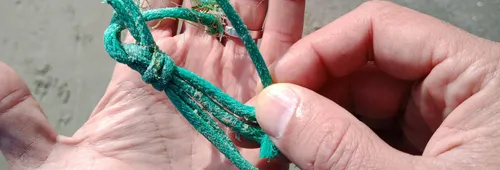
Fish&Click: helping scientists study fishing gear and aquaculture equipment lost at sea
Along France’s Atlantic coast, 20 to 35% of marine litter comes from fishing and aquaculture. With Fish&Click, Ifremer invites anyone to report lost gear spotted at sea or on the shore.
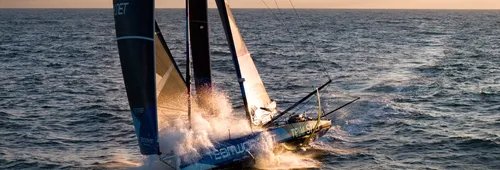
Vendée Globe: why speed alone isn’t enough to win
In offshore racing, the fastest boat isn’t necessarily the best one. That’s truer of the Vendée Globe than of any other race: it’s a marathon, not a sprint. Going flat out regardless simply isn’t an option. Sailors have to find the right balance at sea, and long before they get there. Justine…
discover the upcycled luggage collection
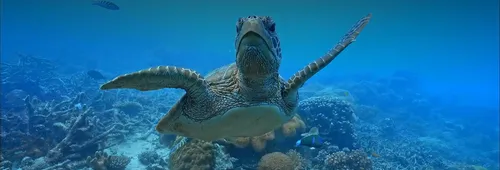
Vendée Globe Foundation Call for Projects: 3 Reasons to Apply by October 31
Nonprofits, research institutes and laboratories working for the ocean have until October 31 to apply for the Vendée Globe Foundation’s 2027 call for projects. Up to €50,000 a year is available.
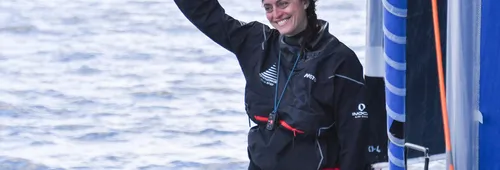
Justine Mettraux: going the distance
With the Vendée Globe women’s record under her belt, Justine Mettraux is starting from a blank page: her first new IMOCA, built for 2028. A profile of a skipper who’s never done learning.
Ursula von der Leyen spotlights the Vendée Globe's commitment to ocean science
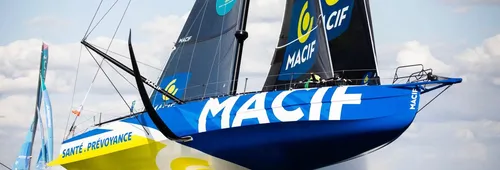
Défi Azimut 2026: Three Races, Three Takeaways for the Vendée Globe 2028
Created fifteen years ago in Lorient, the Défi Azimut is the IMOCA fleet's big season-opening event, bringing together the circuit's skippers each year for three complementary formats — Speed Runs, the 48 Hours, and the Tour de Groix — ahead of the season's major races.
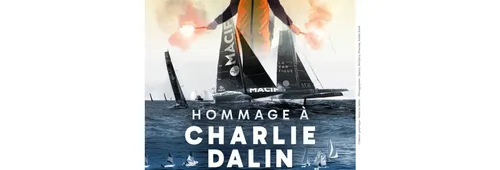
Charlie Dalin Public Tribute in Concarneau, September 15: The Full Schedule
One week out from the extraordinary gathering in memory of Charlie Dalin, who passed away this past June 10, the schedule is taking shape, revealing the outline of a day set to be truly memorable. True to the wishes of the 2024-2025 Vendée Globe winner, the event will be a joyous, collective…
Vendée Globe Foundation Launches Its 2027 Call for Projects
It’s Never Over: Five Races That Turned Everything Around
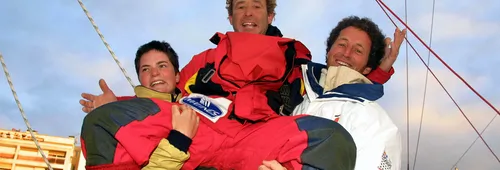
In the Vendée Globe, the gaps never tell the whole story. Equipment failure, a low-pressure system, a weather-routing decision or an act of solidarity can undo weeks of racing in a matter of hours. From Michel Desjoyeaux to Charlie Dalin, here are five times the race was turned on its head,…
A Final Tribute to Charlie Dalin, Winner of the 2024-2025 Vendée Globe, on September 15 in Concarneau
Ulysse Nardin renews its partnership with the Vendée Globe through 2028
Yoann Richomme already looking ahead to the next Vendée Globe
Runner-up in the 2024–25 Vendée Globe, Yoann Richomme is already laying the foundations for his next campaign. While the Paprec skipper has been keen to spend quality time with his family—particularly on cruising holidays—his post-Vendée Globe break has been a brief one. Whether working on the…

How Technological Innovation Benefits the Entire Vendée Globe Fleet
Next-generation foils, advanced composite materials, onboard electronics and renewable energy systems… With every edition of the Vendée Globe, IMOCA yachts continue to push the boundaries of performance. Yet these innovations do not benefit only the latest launches. They gradually improve the…
Vendée Globe: The Most Team-Driven Solo Race
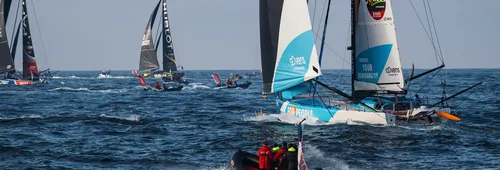
Alone at sea, but never alone on the journey. Behind every Vendée Globe skipper is a dedicated team of women and men who spend years making this extraordinary round-the-world adventure possible.
Every Race Counts: How the 2026 IMOCA Season Is Building Towards the 2028 Vendée Globe
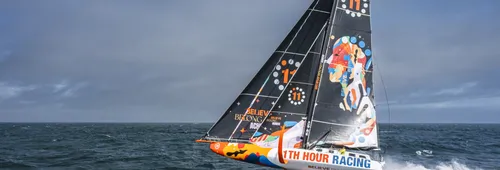
New for 2026, The Ocean Race Atlantic joins the IMOCA Globe Series calendar. This new fully crewed transatlantic race will set sail from New York on 1 September 2026, bound for Lorient over more than 3,000 nautical miles. While it does not form part of the qualification process for the 2028 Vendée…
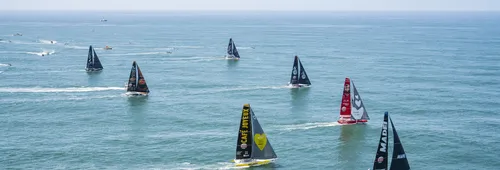
How do you qualify for the 2028 Vendée Globe?
Talent alone will not be enough to earn a place on the start line of the 2028 Vendée Globe. Skippers will also have to demonstrate consistency, their ability to race solo and the strength of their overall campaign.
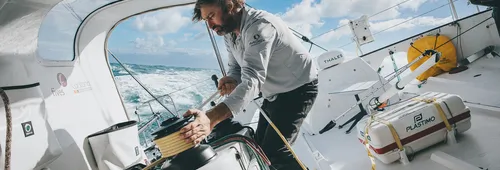
Louis Duc's First Step Toward 2028
Louis Duc’s Vendée Globe 2028 project is taking shape! The skipper from Normandy has chosen to continue his adventure aboard Phil Sharp’s former IMOCA, a Manuard-built foiler launched in 2023.