

Dernières actualités et médias


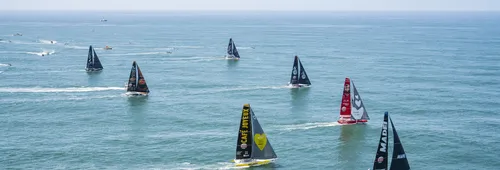
Top départ de la Vendée Arctique, première course en solitaire qualificative pour le Vendée Globe 2028
La Vendée Arctique - Les Sables d’Olonne est désormais lancée ! Ce dimanche à 13h02, les neuf skippers engagés ont franchi la ligne de départ sous un vent discret de secteur sud, compris entre 4 et 7 nœuds. Dans ces conditions légères, la flotte est restée particulièrement compacte au passage de la…
Livre officiel Edition 2024 | Vendée Globe

Un nouvel IMOCA pour Kojiro Shiraishi
À quelques jours du départ de la Vendée Arctique, Kojiro Shiraishi a dévoilé son nouvel IMOCA, DMG MORI GLOBAL ONE dans son hangar à Lorient. Le skipper japonais, 24e du Vendée Globe 2024-2025, dispose désormais d'un bateau dernière génération pour poursuivre son projet sportif en vue du prochain…


Le village de la Vendée Arctique - Les Sables d'Olonne est ouvert
Depuis ce weekend, il flotte un air de Vendée Globe aux Sables d'Olonne ! Le village de la Vendée Arctique a ouvert ses portes ce samedi. Dans une semaine, dimanche 7 juin, neuf skippers - dont trois femmes et représentant quatre nationalités - disputeront leur première course en solitaire…
Coup d’envoi de la Vendée Arctique avec un spectacle de drones ce vendredi sur la grande plage

L'HISTOIRE CONTINUE : SODEBO RECONDUIT SON PARTENARIAT MAJEUR JUSQU’EN 2028
Partenaire historique du Vendée Globe, Sodebo prolonge son engagement jusqu’en 2028, confirmant la solidité et la durabilité d’une relation qui se construit depuis plus de 20 ans. Au-delà de l’épreuve reine, Sodebo accompagne également les courses associées, la Vendée Arctique - Les Sables d’Olonne…
U de Vendée, reconduit son engagement comme fournisseur officiel de la Vendée Arctique et du Vendée Globe

Oliver Heer dévoile son IMOCA Embrace The Challenge
Mis à l’eau sous ses nouvelles couleurs et désormais baptisé Embrace The Challenge, l’ancien IMOCA Teamwork-Team Snef entame un nouveau chapitre avec le Suisse Oliver Heer.
Les Brioches Fonteneau, fournisseur officiel gourmand du Vendée Globe
La Vendée Arctique dévoile les premiers noms de son plateau sportif

Pierre-Louis Attwell lance officiellement son projet Vendée Globe 2028
Une nouvelle aventure s’ouvre pour Pierre-Louis Attwell. Après avoir fait ses gammes en Class40, le skipper a mis à l’eau à Lorient son IMOCA RESILIENT, anciennement Lazare, mené par Tanguy Le Turquais (17e du dernier Vendée Globe), lançant ainsi officiellement sa campagne vers le Vendée Globe 2028.
SkipperGilou vainqueur de la première étape du Vendée Globe eSeries

Ambrogio Beccaria, “Allagrande” comme mantra
Si vous pensiez qu’Allagrande était le nom d’un partenaire, détrompez-vous. En italien, “alla grande” signifie “à fond”, “en grand”, “avec succès”. Un mantra qui résume parfaitement l’état d’esprit d’Ambrogio Beccaria. Après avoir marqué de son empreinte la Classe Mini puis la Class40, le skipper…
Masa Suzuki rachète l'IMOCA sur lequel Louis Duc a participé au dernier Vendée Globe

Un an après : des résultats scientifiques majeurs grâce à l’engagement des skippers
En mars 2025 s’achevait le Vendée Globe. Un an plus tard, l’heure est venue d’en mesurer toute la portée scientifique. Une chose est sûre : l’édition 2024-2025 restera comme celle d’un engagement inédit des skippers, pleinement mobilisés au service de la connaissance et de la compréhension de l…