Striking results, from ocean to orbit
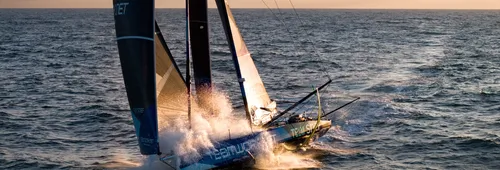
The comparison may sound bold, but it is grounded in science. After the last Vendée Globe, a study led by the IMOCA Human Performance Project found physiological changes on a scale rarely documented before. IMOCA is the class of 60-foot monohulls raced in the Vendée Globe. Muscle wasting, balance problems, too little sleep and poor-quality rest: the picture was already worrying. Saliva and urine tests revealed far more.
“We see changes in the immune system, hormonal disruption and oxidative stress, at levels fairly close to those seen in astronauts. Some are almost pathological,” says Bérénice Charrez. It is a very different picture from the one many people have of skippers, sitting fairly still aboard their monohulls. “It’s far more brutal than people think. It’s not just about losing your balance or muscle mass. It genuinely affects the metabolism.”
The comparison feels especially timely, coming a few weeks after French astronaut Sophie Adenot returned to Earth. She spent nearly eight months aboard the International Space Station. The mechanisms are of course different. Astronauts live in microgravity; sailors endure impacts, vibration, constant motion and lack of sleep. But the body responds in ways that are similar enough to open up new lines of research.
“I think sailors should be monitored more closely, especially through blood biomarkers, so we can understand what’s really happening in their bodies.” A scientific paper on the findings is in preparation. They raise a far more practical question: how do you protect sailors better without compromising on performance?