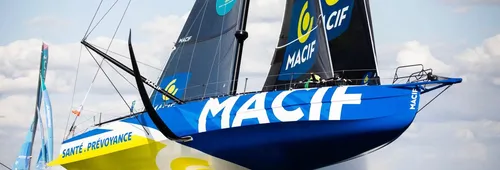



When the starting cannon fires in Les Sables d'Olonne, around 40 skippers set off towards the open ocean. But once they cross the start line, each sailor is alone on board. Just minutes after leaving the famous channel, every IMOCA charts its own course, leaving its skipper alone to face the vastness of the ocean.
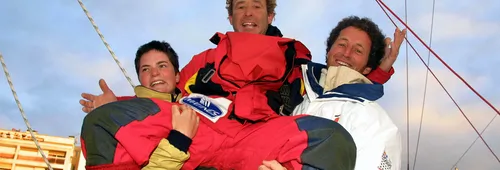
Ashore, however, the adventure is far from over. Shore team members, engineers, partners and loved ones watch a project—sometimes four years in the making—disappear over the horizon. From that moment on, they can no longer make a single decision for the skipper. Yet they remain fully committed to the campaign: following the race, keeping track of every update from the boat, managing communications, preparing for the finish and staying mobilised until the skipper returns to port.
Four Years of Work for One Start
For nearly three months, the skipper faces storms, equipment failures, exhaustion and self-doubt alone. It is this solitude that has shaped the legend of the Vendée Globe. Yet it would not exist without the work of an entire team long before the starting gun.
Because a Vendée Globe campaign does not begin in November on the start line. It often starts several years earlier. Before even thinking about the Roaring Forties, a campaign first has to come together. Sponsors must be convinced to support a project worth several million euros, a team assembled, an IMOCA bought or built, qualification secured through the IMOCA Globe Series championship, miles accumulated and the boat thoroughly understood. The skipper is the public face of the campaign, but never its sole architect.
The Men and Women Behind the Scenes
Long before the race begins, shore bases operate to the rhythm of the Vendée Globe. IMOCAs are regularly stripped down before being rebuilt and prepared for the challenge ahead. Every hydraulic cylinder, every halyard and every component of the rig is meticulously inspected. A single failure in the Southern Ocean can bring years of preparation to nothing.
Behind every boat is a team of specialists: boat preparers, naval architects, engineers, electronics engineers, composite experts and energy systems specialists. Each works to strike the finest balance between reliability and performance. The smallest improvement can amount to dozens of miles gained over an 80-day circumnavigation. These women and men rarely feature in the spotlight on race day, yet their work supports the skipper every mile of the way to the finish.